


Finding a place to live is the first thing that stops people from actually relocating. Before you sort out your visa or open a bank account, you need somewhere to sleep. At XMetr we help with exactly that every day — and we see clearly which countries digital nomads choose most often, and why.
This isn’t an abstract ranking of “best countries by quality of life.” We look at things practically: how easy it is to enter, what apartments actually cost in specific neighbourhoods, and what’s happening in the rental market in each destination right now.
Eight countries that keep coming up in searches on our platform:
- 🇪🇸 Spain — for the Digital Nomad Visa and a Mediterranean pace of life
- 🇻🇳 Vietnam — for combining warm weather with prices that feel unreal on an IT salary
- 🇬🇪 Georgia — for zero bureaucracy and proximity to home
- 🇹🇭 Thailand — for infrastructure and long-term visas
- 🇷🇸 Serbia — for European time zones and affordability
- 🇸🇰 Slovakia — for an EU passport on the horizon and a calm tempo
- 🇮🇩 Bali — for a lifestyle you genuinely can’t find anywhere else
- 🇵🇹 Portugal — for a path to EU citizenship in five years
1. Spain

Spain stopped being just “warm Europe” — in 2023 it launched the Digital Nomad Visa, which gives you the legal right to live here and work for a foreign employer. The income requirement is roughly twice the local minimum wage. That sounds like a lot, but for most digital nomads it’s not a barrier.
What really matters is that the rental market here runs at two speeds. Barcelona and Madrid are expensive and competitive: a furnished flat in a good neighbourhood — Gràcia, Malasaña, Poblenou — gets snapped up fast. But Valencia, Málaga and Alicante offer comparable quality of life for significantly less money, and they’re also right on the coast.

Spain suits people planning to stay long-term: after 5 years of residency you can apply for permanent residence, after 10 — for citizenship.
2. Vietnam
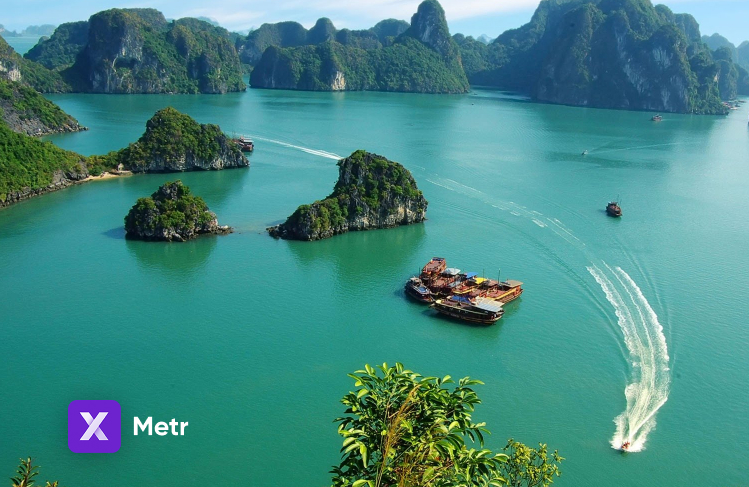
Vietnam is a country where a digital nomad a Western salary feels genuinely wealthy. There’s no dedicated nomad visa, but the e-Visa for 90 days is processed online in minutes and lets you stay without hassle. Those who want to stay longer typically do a border run or get a business visa through a local agent.
Ho Chi Minh City and Da Nang are fundamentally different places. HCMC is a megacity with traffic, energy and opportunity — international company offices and the most active IT community in the country. Da Nang is quieter, cheaper, with the ocean ten minutes away. Most remote workers choose Da Nang.

Vietnam is for people who want to cut costs to a minimum while staying comfortable. There’s no residency path here, so it works best as a base for a year or two.
3. Georgia
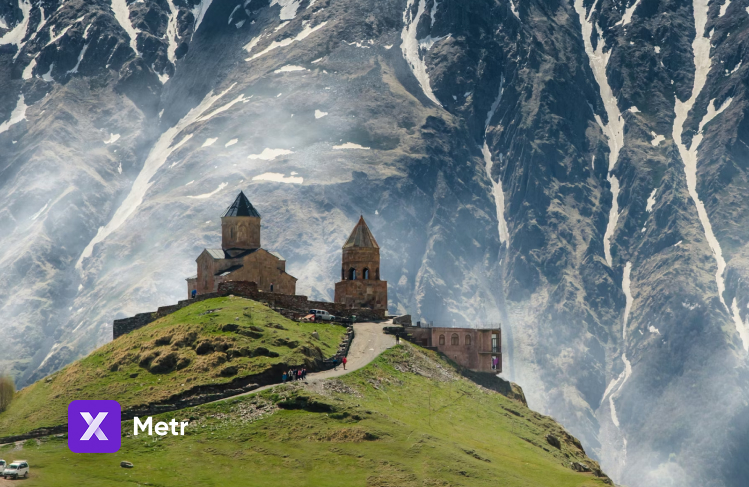
Georgia has the lowest entry barrier on this list. No visa, no prior arrangements: land, get your passport stamped, and you can stay for up to a year. In that time you can figure out whether the country works for you long-term — and if it does, register a sole trader in a single day with a 1% tax rate and stay indefinitely.
Tbilisi has changed a lot over the last three years. The Vera, Vake and Saburtalo districts have turned into a dense IT community with coworking spaces, cafés with fast Wi-Fi and the kind of infrastructure expats expect. Rents rose noticeably during 2022–2023, but are still well below most European capitals.

Georgia is a great first step. But if you need long-term certainty around documents and taxes, it’s worth exploring parallel options too.
4. Thailand
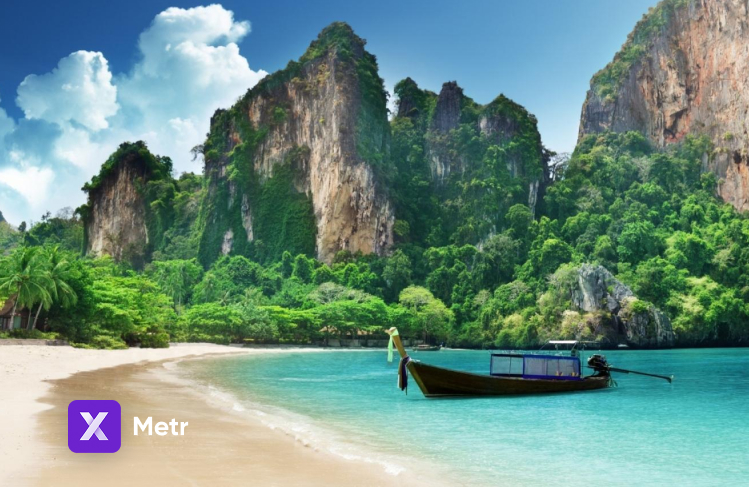
Thailand is no longer just “cheap and sunny” — in 2024 the country launched the Long-Term Resident Visa, which allows you to live here for up to 10 years. For IT specialists working for foreign companies, the eligibility threshold is realistic: you need to show a qualifying income and professional experience.
Bangkok’s infrastructure genuinely surprises people: Skytrain, metro, reliable 5G, shopping centres with coworking spaces, food delivery in 20 minutes. For remote work this is what matters — and Bangkok delivers it better than many European cities. Chiang Mai remains a more affordable and relaxed alternative with a well-established nomad culture.

Thailand works well as a long-term base — especially if you want comfort without European prices and are happy with a tropical climate year-round.
5. Serbia
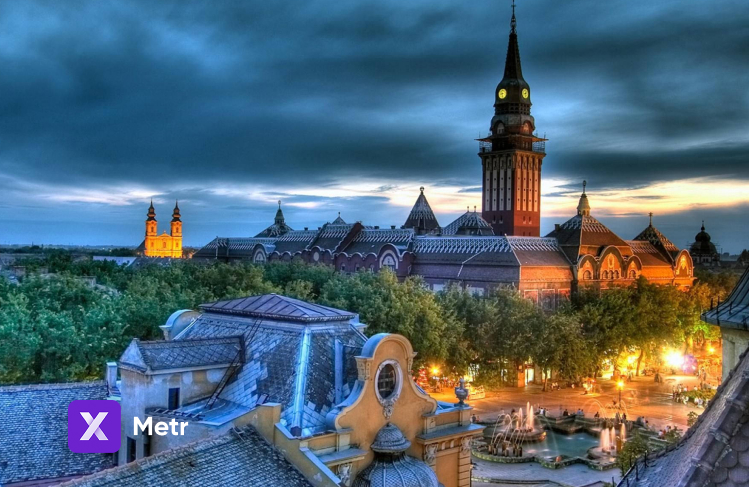
Serbia is Europe without the European price tag. Belgrade operates in the same time zone as most EU clients, English is widely spoken, and the local IT community has grown dramatically over the past three years. The country isn’t in the EU — which actually makes it easier to register a sole-trader business as a non-resident, and gives you more flexibility on taxes.
The Belgrade rental market was shaped by a large wave of relocators: there’s something for everyone — from Soviet-era blocks with good renovations to new residential complexes with underground parking. Prices are moderate, negotiation is normal, and landlords are used to foreign tenants.

Serbia is a smart choice for those who want to stay in a European context without overpaying. Residence permits here are more accessible than in most EU countries.
6. Slovakia
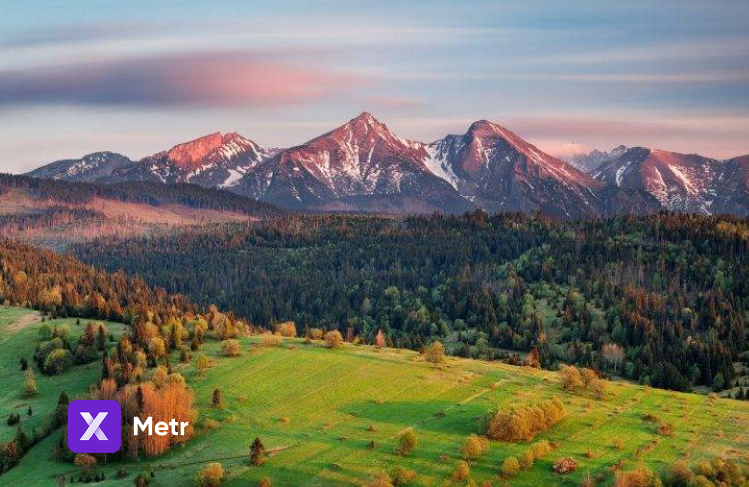
Slovakia rarely tops anyone’s list — and that’s precisely what makes it interesting. Bratislava is literally an hour from Vienna: some Slovak residents commute to Austria for work every day and come back to a city that costs half as much to live in. For a remote worker, that means Austrian reachability at Slovak prices.
The EU Blue Card in Slovakia is processed relatively quickly when you have a contract with a European employer. After 5 years you can apply for permanent residence, after 10 — citizenship. For those thinking about an EU passport as a long-term goal, this is one of the least congested routes on the continent.

Slovakia is for people thinking long-term who value stability over excitement.
7. Bali, Indonesia
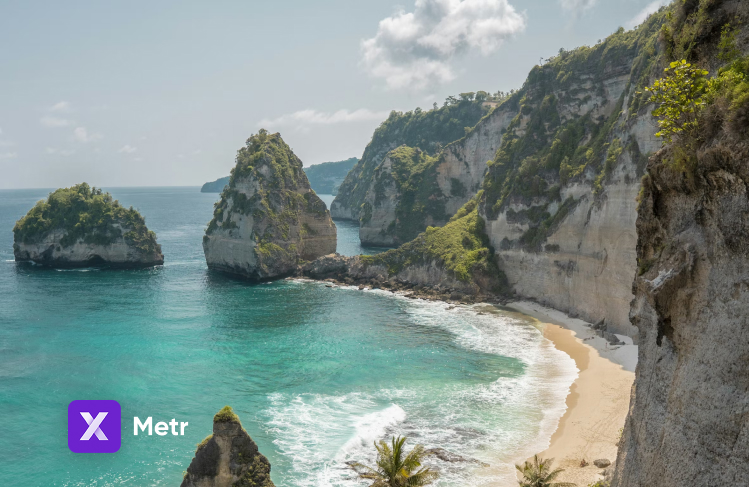
Bali is a phenomenon of its own. It’s not just a place to live — it’s an entire subculture with its own rules, rhythm and community. People work differently here: coworking spaces stay open past midnight, meetings happen by the pool, and the line between the workday and leisure is deliberately blurred. Some people find that distracting. Others find it unlocks something. It’s worth understanding which type you are before you book a flight.
Since 2023 Indonesia has offered a Digital Nomad Visa that exempts foreign income from local tax. That’s a serious advantage. Housing on Bali varies wildly: from studios in residential neighbourhoods to private villas with gardens and pools — and all of it at price points that simply don’t exist in Europe.

Bali isn’t for everyone — but those it suits tend to stay much longer than they planned. Indonesia currently offers no path to long-term residency, which is worth factoring into your planning.
8. Portugal

Portugal is Western Europe at Eastern European prices — and that’s the core of its appeal. The D8 Visa lets you live legally in the country while working for a foreign employer. After five years of continuous residence you can apply for EU citizenship — one of the most valuable in the world in terms of what it unlocks.
Lisbon has got expensive fast and is now comparable to Barcelona or Amsterdam. Porto remains more accessible and no less pleasant. Further out — Braga, Aveiro, Coimbra — university cities with growing IT infrastructure and prices that feel almost anachronistic. That’s increasingly where people end up after they’ve tried Lisbon and want something quieter.

Portugal is a long-term bet on EU citizenship. Those prepared for a five-year horizon tend to find it absolutely worth it.
Quick Comparison
| Country | 1-bed Rent | Visa | Residency Path |
|---|---|---|---|
| 🇪🇸 Spain | €600–1,450 | Digital Nomad, 3 yr | 5 yr → PR |
| 🇻🇳 Vietnam | $250–850 | E-Visa, 90 days | No path |
| 🇬🇪 Georgia | €180–700 | Visa-free, 365 days | Sole trader in 1 day |
| 🇹🇭 Thailand | $200–950 | LTR Visa, 10 yr | No path |
| 🇷🇸 Serbia | €200–700 | Digital Nomad Visa | Residence → PR |
| 🇸🇰 Slovakia | €380–1,000 | Blue Card (EU) | 5 yr → EU PR |
| 🇮🇩 Bali | $280–1,200 | Digital Nomad E33G | No path |
| 🇵🇹 Portugal | €420–1,450 | D8 Visa | 5 yr → EU citizenship |
How to Pick Your Destination
There’s no universal answer — just the right questions. Do you want to stay in Europe or are you open to Asia? Is a passport important to you, or is the ability to simply live somewhere legally enough? Are you moving alone or with a family?
Minimum bureaucracy and a fast start: Georgia. A path to EU citizenship: Portugal or Slovakia. Maximum value for money: Vietnam or Chiang Mai. A lifestyle, not just a place to work: Bali.
And for housing in any of these destinations — XMetr has you covered. We find options from 1 month, with no agents and no hidden conditions.