

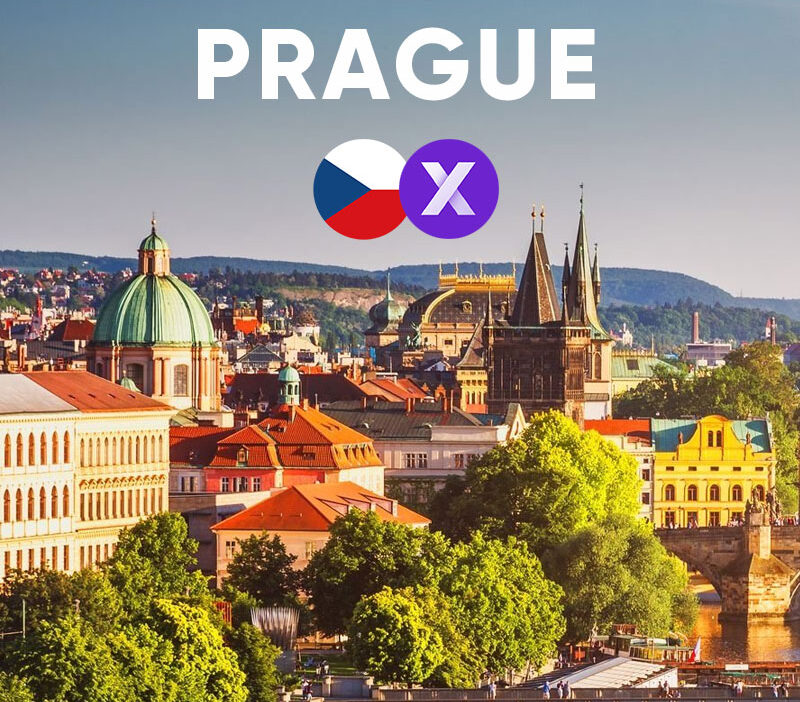
Moving to Prague in 2025 means embracing historic charm, low rent, and a laid-back Central European lifestyle. Here’s what to expect.
Gothic spires, cobbled streets, world-class beer — Prague has postcard looks, but don’t let the fairytale aesthetics fool you. It’s also a practical, well-connected, and surprisingly livable city, especially for remote workers, students, and creatives.
Unlike most capitals, Prague offers a rare combo: high quality of life, relatively low costs, and a lifestyle that blends charm with modernity.
Key Facts About Prague (Czech Republic)
| Parameter | Value |
|---|---|
| Population | ~1.3 million |
| Language | Czech (official), English widely spoken among youth |
| Currency | Czech koruna (CZK) |
| Average Rent | CZK 20,000–35,000/month (€800–1,400) for 1-bedroom |
| Average Net Salary | CZK 38,000–55,000/month (€1,500–2,200) |
| Digital Nomad Budget | €2,000–3,500/month |
| Health Insurance | Mandatory (public/private) – from €60/month |
| Safety Level | High – very safe in both center and outer districts |
| Public Transport | Metro, tram, bus – pass ~CZK 550/month (€22) |
| Climate | Continental – cold winters, warm summers |
| Residence Permit / Long Stay | Work, study, self-employed, family reunification |
| Education | Charles University, many international schools |
| Grocery Prices | Moderate – Lidl, Albert, Tesco, Billa |
| Access to Nature | Parks, riverside walks, nearby hills and forests |
| City Atmosphere | Historic, lively, affordable, digital-nomad friendly |
Renting in Prague: Still Affordable, But Changing Fast
Housing in Prague has become more competitive in recent years, especially for expats. Prices are rising, but compared to Western Europe, rents remain reasonable, especially if you’re flexible on the district.
Average monthly rent in 2025:
- 1-bedroom in Vinohrady or Žižkov: €850–1,100
- 2-bedroom in Holešovice or Karlín: €1,200–1,600
- Studio near the city center: €700–900
- Utilities: €150–250/month
- Deposit: Usually 1–2 months’ rent
Need a place to stay? Explore long-term rentals in Prague on XMetr.
Visas and Residency: Czech Bureaucracy with a Smile
EU/EEA citizens can move and work freely in the Czech Republic, but they’re still expected to register locally. Non-EU citizens must apply for the appropriate visa before arrival.
Popular options:
- Long-Term Visa (D-type) – for study, work, or business
- Employee Card – for non-EU nationals with job offers
- Trade License (Živnostenský list) – for freelancers
- Family Reunification
- Permanent Residency – after 5 years of legal stay
Czech authorities can be old-school (think paper forms and in-person visits), but the process is manageable — especially with help or language support.
Language and Everyday Life
Czech is a Slavic language with some grammar gymnastics, but many locals in Prague — especially the younger generation — speak English quite well, particularly in hospitality, tech, and universities.
You’ll be fine in English at first, but learning basic Czech makes integration smoother — and earns you extra respect with locals.
Public transport is outstanding. A monthly pass costs less than €25 and includes metro, trams, and buses.
Where to Live in Prague
- Vinohrady – elegant, green, expat-friendly
- Žižkov – edgy, affordable, lots of character
- Karlín – trendy, well-connected, riverside living
- Holešovice – artsy, industrial-chic, near Letná Park
- Malá Strana – picturesque, quiet, tourist-heavy
- Smíchov – mix of residential and business, with big malls
- Dejvice – calm, leafy, good for families and students
Most neighborhoods are walkable and safe. Public transport reaches every corner.
Top 5 Best Neighborhoods in Prague for Long-Term Living
| Neighborhood | Why It’s Great |
|---|---|
| 1. Vinohrady | Elegant, expat-friendly, parks, cafés, well-connected. |
| 2. Letná / Holešovice | Trendy, creative, near parks and coworking spaces. |
| 3. Karlín | Revitalized, modern offices, restaurants, close to city center. |
| 4. Dejvice | Green, calm, great for families and diplomats. |
| 5. Smíchov | Commercial-residential mix, shopping, transit hub. |
Cost of Living in Prague
Prague offers excellent value for money, though costs are creeping up. Still, it’s very possible to live well here on a moderate income.
- Rent: €850–1,600/month
- Groceries: €200–300/month
- Public transport: €22/month
- Coffee: €2.50–3
- Dinner for two: €40–60
- Health insurance (public or private): €80–150/month
A solo expat can live comfortably on €1,600–2,200/month.
Work and Income
Prague is growing in sectors like tech, education, tourism, and outsourcing. Remote work is common, and there’s a vibrant coworking culture.
Top sectors:
- IT and software development
- Startups and fintech
- Language teaching and international education
- Customer service and shared services centers
- Tourism, events, and hospitality
Salaries are lower than in Germany or Austria, but so are taxes and living costs.
| Profession | Avg. Gross Salary per Month (EUR) |
|---|---|
| Software Developer | €2,800 |
| IT Project Manager | €3,400 |
| UX/UI Designer | €2,300 |
| Architect | €2,200 |
| Mechanical Engineer | €2,500 |
| General Practitioner (Doctor) | €3,700 |
| Nurse | €1,600 |
| High School Teacher | €1,700 |
| Marketing Specialist | €2,200 |
| Accountant | €2,100 |
🏰 Prague offers excellent value for professionals—strong infrastructure, beautiful surroundings, and relatively low cost of living by European standards. It’s especially popular among expats and remote workers.
Healthcare: Quality Meets Simplicity
The Czech Republic offers solid public healthcare. Expats are required to have insurance — either via public providers (for employees) or private plans (for freelancers and students).
- General care is good
- Most doctors speak basic English
- Emergency services are quick and reliable
- Private clinics are affordable compared to Western Europe
Final Thoughts: Is Prague Right for You?
If you want a city that’s safe, stunning, and still affordable, Prague should be high on your list. It blends history with hipster cafés, digital nomads with families, and affordability with quality.
You come for the charm — but you stay because it makes sense.
Also read our post about Moving to Torrevieja