

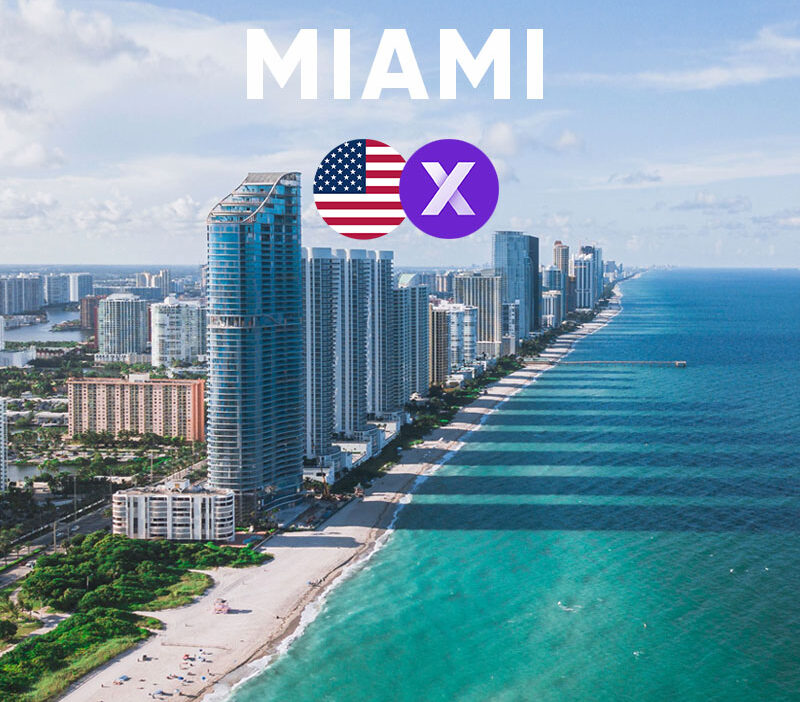
Moving to Miami can be both thrilling and overwhelming. From beachfront neighborhoods to international culture and unique rental rules, this guide covers everything you need for a smooth transition.
Miami isn’t just beaches and bikinis — it’s Latin America meets the U.S., palm trees and crypto bros, hurricanes and rooftop brunches. If you’re planning to move long-term, expect a tropical rhythm with a side of hustle. This isn’t New York or LA — it’s its own animal.
Key Facts About Miami (USA)
| Parameter | Value |
|---|---|
| Population | ~450,000 (city), ~6 million metro area |
| Language | English + Spanish widely spoken |
| Currency | US Dollar (USD) |
| Average Rent | $2,300–4,000/month (1-bedroom in desirable areas) |
| Average Net Salary | ~$4,000–6,000 |
| Health Insurance | Private and mandatory. Costs: $300–600/month |
| Safety Level | Medium – depends on neighborhood |
| Public Transport | Limited. Car is essential for most people |
| Climate | Tropical – hot and humid summers, warm and dry winters |
| Residence Permit / Long Stay | Visa-based: work, investment, study, or green card pathways |
| Education | Strong private schools, international programs, universities |
| Grocery Prices | Moderate – Latin American markets and fresh produce available |
| Access to Nature | Beaches, Everglades, Florida Keys, water sports |
| City Atmosphere | Energetic, beachy, Latin-influenced, focused on outdoor living |
Renting in Miami: Hot Market, But Still Accessible
The rental market in Miami is competitive but diverse — with options ranging from art deco apartments in South Beach to modern high-rises in Brickell or Edgewater. Many buildings include pools, gyms, and doormen, even in mid-range pricing.
Average monthly rent in 2025:
- Studio in Downtown or Little Havana: $1,800–2,300
- 1-bedroom in Brickell or Midtown: $2,500–3,300
- 2-bedroom in Coconut Grove or Wynwood: $3,200–4,500
- Utilities: $150–250/month
- Internet: ~$60/month
- Deposit: 1–2 months of rent
Avoid the seasonal surge — winter sees snowbirds flood the market. Browse long-term rentals in Miami — verified and regularly updated.
Visas and Residency: Standard U.S. Process Applies
As with anywhere in the U.S., you’ll need the appropriate visa or residence permit. Common long-term options include:
- H-1B or O-1 visa — work sponsorship
- Investor visas (E-2, EB-5)
- Student visa (F-1)
- Remote workers — technically need a legal basis, but many operate on tourist visas (risky)
- Green card — family, marriage, or lottery
You’ll need documents like SSN, credit score, proof of income, and possibly a co-signer to rent easily.
Language and Culture: Bilingual is Better
Miami is effectively bilingual. Spanish is heard more often than English in many neighborhoods. You’ll be fine with just English, but learning Spanish will unlock a deeper local experience — especially in areas like Little Havana or Hialeah.
The vibe is Caribbean-Latin. Laid-back, rhythmic, but also entrepreneurial and stylish. Dress codes: yes at night, no on weekdays.
Where to Live in Miami
- Brickell – sleek, financial hub, walkable, high-rises
- Downtown Miami – central, buzzy, still developing
- Wynwood – artsy, edgy, graffiti walls and breweries
- Coconut Grove – leafy, historic, laid-back
- South Beach – party scene, tourists, but beautiful
- Little Haiti / Allapattah – more affordable, with edge
- Midtown / Edgewater – modern, rising fast
Public transport is weak — most locals drive or Uber. Parking can be expensive or scarce downtown.
Top 5 Best Neighborhoods in Miami for Long-Term Living
| Neighborhood | Why It’s Great |
|---|---|
| 1. Brickell | Urban, vibrant, with condos, rooftops, and a walkable downtown feel. |
| 2. Coconut Grove | Lush, laid-back, great for families. Good schools and bayfront parks. |
| 3. Coral Gables | Beautiful architecture, safe, with a suburban feel near downtown. |
| 4. Wynwood / Midtown | Artistic, energetic, full of startups, cafes, murals, and culture. |
| 5. Miami Beach (SoFi) | Luxury living by the beach. Quiet, safe, and visually stunning. |
Cost of Living in Miami
Miami is cheaper than NYC or San Francisco, but still far from “cheap.” Budget more if you live in the center or eat out often.
- Rent: $2,500–3,500/month
- Utilities: $200/month
- Groceries: $300–500/month
- Car (insurance + fuel): $300–600/month
- Dining out:
- Coffee: $5
- Lunch: $15
- Dinner for two: $70–120
- Gym: $70–150/month
- Health insurance: private, ~$300–600/month
A comfortable solo budget: $3,500–5,000/month depending on lifestyle.
Work and Income
Miami is becoming a tech and startup hub, especially post-COVID. It’s also strong in:
- Finance and crypto
- Real estate and architecture
- Tourism, events, and hospitality
- Art, fashion, and creative industries
- Import/export and logistics
Remote workers are welcome — just be mindful of visa status. Co-working spaces are everywhere, especially in Brickell and Wynwood.
| Profession | Avg. Gross Salary per Month (EUR) |
|---|---|
| Software Developer | €5,000 |
| IT Project Manager | €6,000 |
| UX/UI Designer | €4,200 |
| Architect | €4,000 |
| Mechanical Engineer | €4,500 |
| General Practitioner (Doctor) | €8,000 |
| Nurse | €3,500 |
| High School Teacher | €3,800 |
| Marketing Specialist | €4,300 |
| Accountant | €4,200 |
Healthcare: Private and Pricey
As in all of the U.S., healthcare is private and expensive without insurance. Florida doesn’t have state-run healthcare, so you’ll need:
- Employer plan (best option)
- Private plan via marketplace
- Travel insurance (short-term only)
Costs:
- Doctor visit without insurance: $150–250
- Dental cleaning: ~$100
- Emergency room: $1,000+
- Insurance premiums: $300–600/month
Final Thoughts: Is Miami Right for You?
If you love heat, movement, color, and contrast — Miami might be your place. It’s not always polished, but it has attitude, momentum, and global flavor.
Whether you’re building a business or living by the beach, Miami is a city that feels like the future — with palm trees.
Also check out our article on Moving to Toronto