

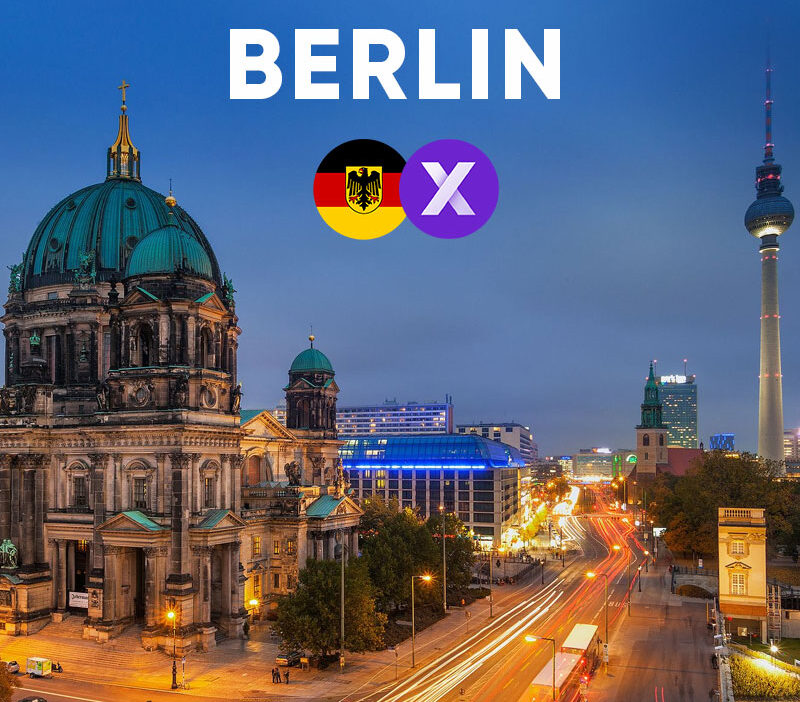
Moving to Berlin can feel overwhelming, but this guide helps you navigate life, rentals, and documents in the German capital.
Berlin isn’t “typical Germany.” It’s rebellious, creative, layered, and full of contradictions. A city where you can live minimally, run a startup, or paint murals on abandoned buildings — sometimes all at once. But to settle in Berlin long-term, you’ll need more than good vibes. You’ll need paperwork, patience, and a bit of structure in the chaos.
Key Facts About Berlin (Germany)
| Parameter | Value |
|---|---|
| Population | ~3.8 million (2024) |
| Language | German |
| Currency | Euro (€) |
| Average Rent | €1,000–1,800/month (1-bedroom apartment in the city) |
| Average Net Salary | ~€2,500–3,000 |
| Health Insurance | Mandatory (public or private), included in social contributions |
| Safety Level | Medium – varies by neighborhood |
| Public Transport | Excellent: U-Bahn, S-Bahn, trams, buses. Monthly pass ~€49 |
| Climate | Mild: cold winters, moderately warm summers |
| Residence Permit / Long Stay | Available via work, study, freelancing, or startup visa |
| Education | Many universities, some with English-taught programs |
| Grocery Prices | Average for the EU |
| Access to Nature | Lakes, forests, and parks — within and around the city |
| City Atmosphere | Free-spirited, creative, multicultural |
Renting in Berlin: What to Expect
Finding an apartment in Berlin can feel like a full-time job. Demand is high, and supply is tight — especially if you don’t yet have a German job contract or credit history. Landlords often prefer local tenants with full-time contracts, clean financial records, and a SCHUFA (credit check).
Even for a small apartment, you’ll likely be competing with dozens of others. Viewings are often “open house” style: show up, wait in line, and leave your application folder. What you’ll need: passport, proof of income, job contract, bank statements, and ideally a SCHUFA.
Prices range from €900 to €1,200 for a one-bedroom inside the ring (Ringbahn). Cheaper options exist on the outskirts, but commute times increase significantly.
Where to Search (Without Getting Lost)
To avoid wasting time, we’ve gathered current long-term listings for Berlin in one place — browse available rentals here. Filter by district, size, and budget — especially helpful if you’re planning from abroad.
Residency and Bureaucracy
German bureaucracy is slow, but usually consistent. First step: register your address (Anmeldung) at the Bürgeramt — it’s mandatory for everything else, from getting a tax ID to health insurance.
Residency types vary: work, study, freelance, family reunification. Freelancers in IT, design, or culture are welcome — but you’ll need to prove you’re working, earning, and paying taxes.
Booking Bürgeramt appointments is tricky — sometimes booked out weeks in advance — so plan early.
Language: Can You Survive Without German?
Technically, yes. In practice — no. Berlin has an international scene, especially in startups, cafes, and co-working spaces. But government offices, landlords, doctors, and most formal settings expect at least basic German.
Many jobs now require B1-level German or higher, even in tech. Luckily, there are plenty of affordable language courses: VHS, Goethe-Institut, Expath, and others.
Neighborhoods: Berlin’s Split Personality
- Mitte, Kreuzberg, Prenzlauer Berg — vibrant, trendy, expensive, full of life.
- Neukölln, Wedding — raw, multicultural, changing fast.
- Charlottenburg, Wilmersdorf — quiet, upper-class, old-West Berlin charm.
- Lichtenberg, Marzahn, Spandau — farther out, more affordable, with mixed infrastructure.
Your neighborhood will shape your life — Berlin is huge, and traveling across it can take over an hour.
Top 5 Best Districts in Berlin for Long-Term Living
| District | Why It’s Great |
|---|---|
| 1. Prenzlauer Berg | Family-friendly, green, and cozy. Full of playgrounds, cafés, and organic shops. Prestigious but expensive. |
| 2. Friedrichshain | Young and artistic. Known for nightlife, street art, and a strong startup vibe. Popular with freelancers and tech workers. |
| 3. Charlottenburg | Elegant, quiet, and well-established. Close to universities and parks. Great shopping and classic Berlin charm. |
| 4. Neukölln | Diverse and up-and-coming. Multicultural vibe, trendy cafés. Still affordable, though safety varies by block. |
| 5. Mitte | The historical heart of Berlin. Close to offices, museums, landmarks. Ideal for urbanites who love being in the center. |
Cost of Living in Berlin
- One-bedroom apartment: €900–1,300/month
- Utilities: €150 on average
- Public transport pass (AB zone): €49/month
- Food and daily costs: €300–500
- Health insurance: from €110/month (private) or covered partially by employer if employed
Berlin isn’t cheap anymore, but it’s still more affordable than other major European capitals like Paris or London.
Jobs and Income
Berlin is a hub for freelancers, startups, and creatives. It’s great for developers, designers, marketers, architects, and cultural professionals. Salaries are lower than in Munich or Frankfurt, but so is rent.
The minimum wage is €12.41/hour, but for residence permits, stability and documentation matter more than income level alone.
If you’re self-employed, you’ll need a proper business plan, contracts, and invoices to apply for a freelance visa.
| Profession | Avg. Gross Salary per Month (EUR) |
|---|---|
| Software Developer | €4,300 |
| IT Project Manager | €4,800 |
| UX/UI Designer | €3,700 |
| Architect | €3,500 |
| Mechanical Engineer | €4,000 |
| General Practitioner (Doctor) | €6,200 |
| Nurse | €2,800 |
| High School Teacher | €3,400 |
| Marketing Specialist | €3,600 |
| Accountant | €3,500 |
Healthcare: Structured and Mandatory
Health insurance is non-negotiable. If you’re employed, your employer covers half of your public insurance (like AOK or TK). If freelance, you must get private insurance — usually more expensive and paid fully by you.
Doctors typically speak German; English-speaking ones exist, but appointments must be booked weeks in advance. Walk-ins are rare.
Final Thoughts: Who Is Berlin For?
Berlin is not a city of polish — it’s a city of possibility. It’s unpredictable, gritty, open-minded, and demanding in its own way. It’s not for everyone — but for creatives, independent professionals, and anyone looking to reinvent themselves, it can be the perfect place to start over.
Just come prepared for bureaucracy, bike rides in the rain, and the occasional protest outside your window. Then Berlin will reward you — in its own chaotic, wonderful way.
Also check out our article on Moving to Paris