

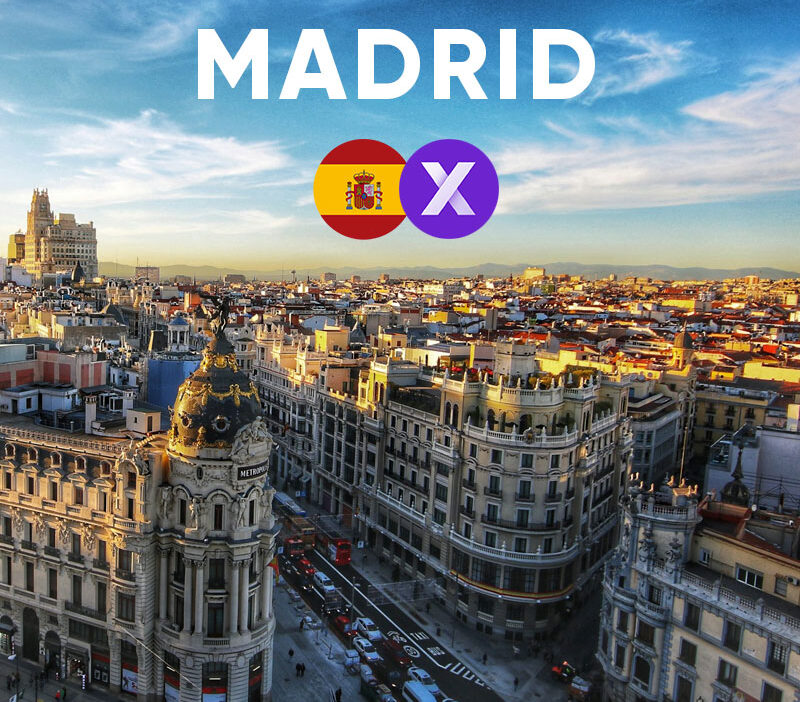
Moving to Madrid is an exciting step, but understanding the local rental market, paperwork, and lifestyle can make the process much smoother.
Madrid is where business suits and flamenco dresses coexist. It’s Europe’s sunniest capital, with a slower pace than you’d expect, incredible food, and one of the best public transport systems in the world. If you’re planning to live here long-term — whether as a remote worker, student, or family — Madrid is a smart, welcoming choice.
Key Facts About Madrid (Spain)
| Parameter | Value |
|---|---|
| Population | ~3.2 million (city), ~6.8 million metro area |
| Language | Spanish. English spoken in central and business zones |
| Currency | Euro (EUR) |
| Average Rent | €900–1,800/month (1-bedroom in a good neighborhood) |
| Average Net Salary | €1,700–2,500 |
| Health Insurance | Public + private (~€40–70/month for private) |
| Safety Level | High. Very safe city, even at night |
| Public Transport | Metro, buses, suburban trains. Monthly pass ~€55 |
| Climate | Dry continental – hot summers, mild winters, lots of sunshine |
| Residence Permit / Long Stay | Available via work, study, family, investment (NIE / TIE) |
| Education | Great public and international schools, top universities |
| Grocery Prices | Medium – affordable compared to other EU capitals |
| Access to Nature | Parks, mountains nearby, easy weekend getaways |
| City Atmosphere | Lively, cultured, friendly, buzzing with nightlife and creativity |
Renting in Madrid: Competitive but Fair
While Madrid has seen rising demand in recent years, rents are still manageable compared to other Western European capitals. Neighborhoods vary wildly — from trendy and compact to leafy and residential.
Average monthly rent in 2025:
- Studio in Lavapiés or Chamberí: €800–1,000
- 1-bedroom in Malasaña or La Latina: €1,000–1,400
- 2-bedroom in Salamanca or Chamartín: €1,600–2,500
- Utilities: €100–150/month
- Internet: ~€30/month
- Deposit: 1–2 months of rent
Looking for your next apartment? Check long-term rentals in Madrid — updated listings with flexible filters.
Residency and Visas: Spain Offers Several Paths
Spain is part of the EU, so:
- EU/EEA citizens can move freely and register for residency
- Non-EU citizens can apply for:
- Digital Nomad Visa – new as of 2023, for remote workers
- Non-Lucrative Visa – for retirees or self-funded stays
- Work Visa – requires Spanish employer sponsorship
- Student Visa – for long-term academic programs
- Entrepreneur Visa – for new businesses or startups
After five years of legal residency, you’re eligible for permanent residency; ten years for citizenship (or two years for Latin American nationals).
Language and Local Life
Spanish is essential for daily life — even though many young Madrileños speak English, paperwork, rentals, and socializing run on español.
Madrid is a big city that feels surprisingly laid-back: people walk everywhere, meals last for hours, and life happens in plazas and cafés. Expect festivals, late nights, and real community — even in a capital city of 3 million.
Where to Live in Madrid
- Malasaña – hip, creative, central
- Chueca – LGBTQ+ friendly, vibrant nightlife
- La Latina – tapas heaven, historical charm
- Lavapiés – multicultural, edgy, artistic
- Salamanca – upscale, elegant, great shopping
- Chamartín – residential, family-oriented
- Moncloa / Argüelles – student-friendly, near universities
Madrid’s metro system is world-class — fast, clean, and cheap. A monthly pass is around €55 (and cheaper for under 26s).
Top 5 Best Neighborhoods in Madrid for Long-Term Living
| Neighborhood | Why It’s Great |
|---|---|
| 1. Chamberí | Elegant, residential, calm, perfect for families and professionals. |
| 2. Salamanca | Prestigious, safe, full of embassies, boutiques, and medical clinics. |
| 3. Malasaña | Hip, young, alternative, with bars, cafés, and coworking hubs. |
| 4. Retiro | Peaceful, green, right next to El Retiro Park. Great for an active lifestyle. |
| 5. Lavapiés | Diverse, affordable, up-and-coming with an artistic flair. |
Cost of Living in Madrid
Madrid isn’t cheap, but it’s still more affordable than Paris, London, or Amsterdam.
- Rent: €1,000–1,800/month
- Utilities: €120/month
- Groceries: €250–400/month
- Transport pass: €55/month
- Coffee: €1.80
- Dinner for two: €40–70
- Gym: €35–60/month
- Private health insurance: €50–100/month
For a comfortable lifestyle, budget €2,000–2,800/month.
Work and Income
Madrid’s economy includes:
- Finance and consulting
- Tourism and hospitality
- Education (especially language teaching)
- Tech and startups (increasingly common)
- Remote work — now legally supported with the Digital Nomad Visa
Coworking spaces and international communities are growing — especially in Malasaña and Salamanca.
| Profession | Avg. Gross Salary per Month (EUR) |
|---|---|
| Software Developer | €3,300 |
| IT Project Manager | €4,000 |
| UX/UI Designer | €2,900 |
| Architect | €2,700 |
| Mechanical Engineer | €3,000 |
| General Practitioner (Doctor) | €4,800 |
| Nurse | €2,400 |
| High School Teacher | €2,200 |
| Marketing Specialist | €2,900 |
| Accountant | €2,800 |
Healthcare: Public + Private Options
Spain has a great public health system (SNS), free or low-cost for residents. Many expats also get private insurance for shorter wait times.
- Doctor visit (private): €40–70
- Emergency: Public hospitals are free
- Dental cleaning: ~€50
- Insurance: €50–100/month
Final Thoughts: Is Madrid Right for You?
If you want a city with sunshine, culture, and soul — but without the stress of faster-paced capitals — Madrid is an ideal fit. You’ll eat well, live well, and (probably) go to bed later than you expected.
It’s modern, social, and endlessly livable — Spain’s best-kept long-term secret.
Also read our guide on Moving to Bratislava