

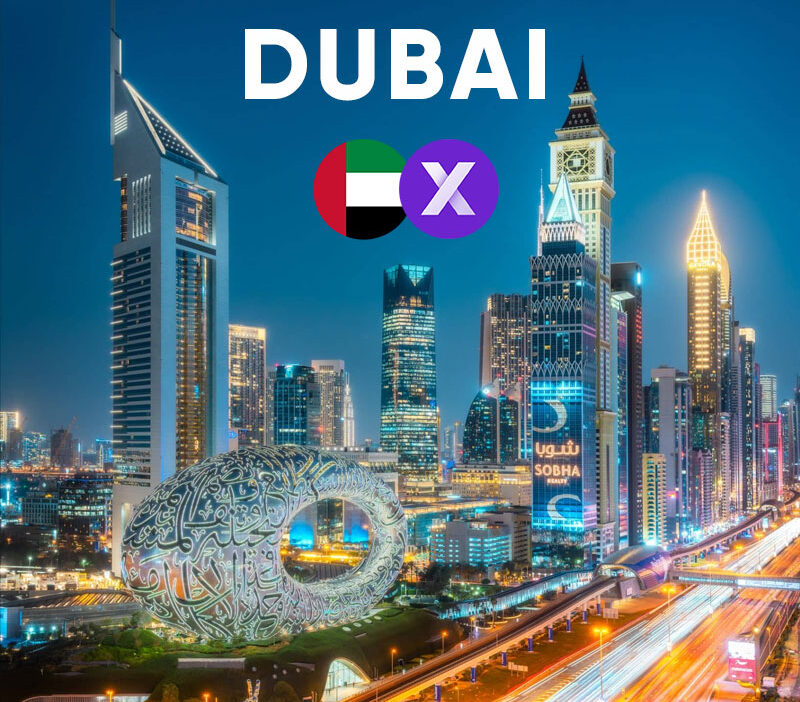
Moving to Dubai means stepping into a world of contrasts — desert heat, luxury living, and fast-paced change. This guide covers rent prices, expat rules, popular districts, and what life in the UAE’s most famous city is really like in 2025.
Dubai is a city that didn’t wait for the future — it built it. From desert outpost to global powerhouse in just a few decades, it’s now home to expats from over 200 nationalities. If you’re considering a long-term move, prepare for luxury, opportunity, and a few rules to live by.
Key Facts About Dubai (UAE)
| Parameter | Value |
|---|---|
| Population | ~3.6 million |
| Language | Arabic (official), English widely used |
| Currency | UAE Dirham (AED) |
| Average Rent | AED 5,000–12,000/month (~$1,300–3,300) for 1-bedroom |
| Average Net Salary | AED 12,000–22,000 (~$3,200–6,000) |
| Health Insurance | Mandatory private insurance (~AED 300/month) |
| Safety Level | Very high – one of the safest cities globally |
| Public Transport | Metro, buses, taxis. Monthly pass |
| Climate | Desert – very hot summers, pleasant winters |
| Residence Permit / Long Stay | Via Golden Visa, Remote Work Visa, business, freelance, or investment |
| Education | International schools and universities |
| Grocery Prices | Moderate – imported items more expensive |
| Access to Nature | Beaches, desert, mountains within 1–2 hours |
| City Atmosphere | Ultra-modern, business-oriented, multicultural, tax-free income |
Renting in Dubai: Sleek Apartments, Flexible Options
Dubai’s rental market is fast, transparent, and modern. Most apartments are in towers with pools, gyms, and security. You’ll find everything from minimalist studios to penthouses with Burj Khalifa views.
Average monthly rent in 2025:
- Studio in Business Bay or JVC: AED 4,000–7,000 (~$1,100–1,900)
- 1-bedroom in Downtown or Dubai Marina: AED 7,000–11,000 (~$1,900–3,000)
- 2-bedroom in Palm Jumeirah or JLT: AED 10,000–18,000 (~$2,700–4,900)
- Utilities: AED 500–1,000/month
- Internet: ~AED 300/month
Most contracts are annual, but monthly rentals are possible too. Want to explore? See long-term rentals in Dubai — updated and filterable.
Visas and Residency: Easier Than You Think
Dubai’s approach to residency is business-forward and expat-friendly. Some popular long-term visa options:
- Employment visa – sponsored by your company
- Remote Work Visa – ideal for freelancers or remote employees
- Investor or Business visa – for entrepreneurs and property owners
- Golden Visa – for high-net-worth individuals or skilled professionals
- Freelance Permit – available in tech, design, media, and education sectors
Most visas are tied to your Emirates ID — the key to banking, renting, and daily life.
Language and Lifestyle
Arabic is the official language, but English dominates daily life — in business, signage, menus, and even government portals.
Dubai is clean, safe, and extremely efficient — but also structured around rules. Public behavior, dress, alcohol, and relationships have clearer boundaries than in the West. Adaptability is key.
Where to Live in Dubai
- Dubai Marina – young professionals, walkable, near beaches
- Downtown Dubai – upscale, near Burj Khalifa and Dubai Mall
- Business Bay – urban and central, rising popularity
- Jumeirah – villas, family-friendly, beachside
- Jumeirah Village Circle (JVC) – more affordable, still modern
- Palm Jumeirah – iconic luxury living, high-end apartments
- Deira / Al Barsha – more local feel, lower prices
Dubai’s metro is clean and efficient, but many residents rely on driving or taxis.
Top 5 Best Districts in Dubai for Long-Term Living
| District | Why It’s Great |
|---|---|
| 1. Dubai Marina | Stunning waterfront views, nightlife, walkable lifestyle, expat-friendly. |
| 2. Downtown Dubai | Prestigious, lively, iconic skyline, close to major offices and malls. |
| 3. Jumeirah | Upscale villas, international schools, beach access – perfect for families. |
| 4. JLT (Jumeirah Lake Towers) | Affordable, well-connected by metro, parks, lakeside cafés. |
| 5. Arabian Ranches | Suburban feel, safe, green, great for raising kids. Gated communities. |
Cost of Living in Dubai
No income tax means more take-home pay — but Dubai isn’t cheap, especially for leisure.
- Rent: $1,500–3,500/month
- Groceries: $300–500/month
- Gym: $70–120/month
- Dining out:
- Coffee: $5–7
- Mid-range dinner for two: $60–100
- Transport: $80–150/month or car rental/ownership
- Health insurance (mandatory): $100–250/month
You’ll need about $2,500–4,000/month to live comfortably solo in central areas.
Work and Income
Dubai is booming in:
- Real estate and construction
- Finance and investment
- Technology and startups
- Tourism and hospitality
- Marketing, design, and content creation
- Logistics and aviation
Remote workers are welcome via 1-year digital nomad visas, and the freelance ecosystem is growing fast in free zones like Dubai Media City and Dubai Design District.
| Profession | Avg. Gross Salary per Month (EUR) |
|---|---|
| Software Developer | €5,000 |
| IT Project Manager | €6,000 |
| UX/UI Designer | €4,200 |
| Architect | €4,000 |
| Mechanical Engineer | €4,500 |
| General Practitioner (Doctor) | €8,000 |
| Nurse | €3,500 |
| High School Teacher | €3,800 |
| Marketing Specialist | €4,300 |
| Accountant | €4,200 |
Healthcare: World-Class (If You’re Covered)
Dubai has excellent private hospitals and clinics, many with English-speaking staff. Health insurance is legally required for residents.
- GP visit: $50–100
- Specialist: $100–200
- Dental cleaning: from $60
- Insurance plans: $100–300/month depending on coverage
Emergency services are modern and fast — but can be costly without coverage.
Final Thoughts: Is Dubai Right for You?
Dubai is not for minimalists, but it’s perfect for dreamers, doers, and builders. It offers safety, stability, and serious opportunity — if you can handle the pace, climate, and structure.
It’s not just a place to live — it’s a city to level up in.
Also read our guide on Moving to Valencia