

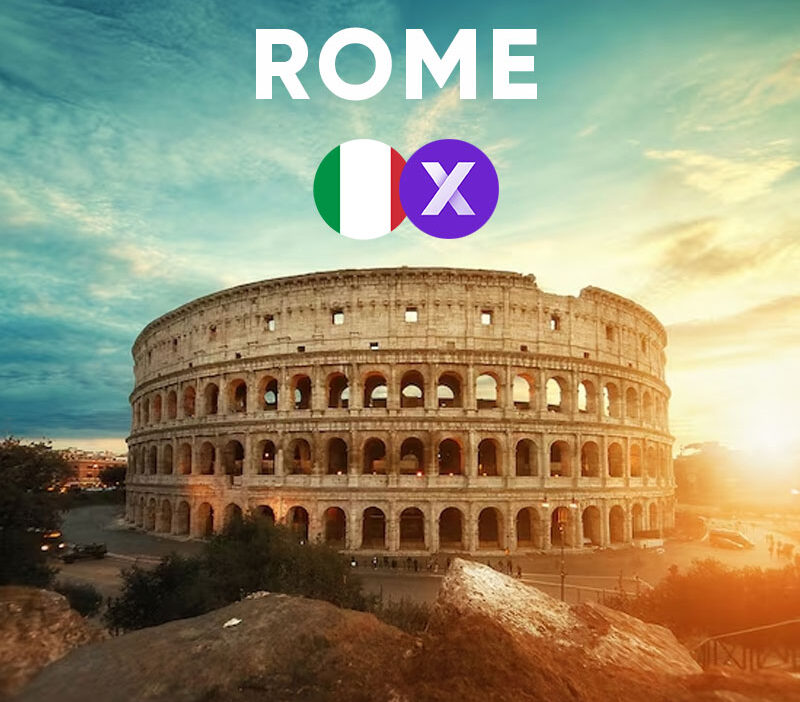
Moving to Rome means living in a city where ancient ruins meet buzzing piazzas and espresso bars. It’s beautiful, chaotic, and undeniably charming — but you’ll need to navigate bureaucracy, housing quirks, and local customs to make it work long-term.
Rome is ancient, poetic, chaotic — and utterly unique. For travelers, it’s a museum under the sky. But for long-term residents, it’s a city of deep routine and slow rhythms. If you’re planning to stay in Rome beyond the postcard phase, here’s what to expect — the beauty, the bureaucracy, and the in-between.
Key Facts About Rome (Italy)
| Parameter | Value |
|---|---|
| Population | ~2.8 million |
| Language | Italian (English limited outside tourist/business areas) |
| Currency | Euro (€) |
| Average Rent | €900–1,600/month (1-bedroom in good neighborhoods) |
| Average Net Salary | ~€1,500–2,200 |
| Health Insurance | Public (SSN) + optional private (~€50/month) |
| Safety Level | Medium – pickpocketing risk in touristy zones, otherwise quite safe |
| Public Transport | Metro, buses, trams. Monthly pass ~€35 |
| Climate | Mediterranean – hot summers, mild winters |
| Residence Permit / Long Stay | Work, study, freelance, investment, family reunification |
| Education | Multiple top universities with international programs |
| Grocery Prices | Reasonable – fresh and seasonal food widely available |
| Access to Nature | Parks, river walks, beaches within 1 hour |
| City Atmosphere | Historic, chaotic, inspiring, full of contrast and culture |
Renting in Rome: Historic Charm Meets Modern Headaches
Rome’s rental market is famously tricky. Expect beautiful apartments hidden behind crumbling doors, lots of character — and a fair share of outdated plumbing. Finding a good long-term place takes time, but it’s worth the patience.
Average monthly prices (2025):
- Studio or small 1-bedroom: €900–1,200
- 2-bedroom apartment near the center: €1,400–1,800
- Utilities: €150–200/month
- Internet: ~€30/month
- Deposit: 2–3 months
- Agency fee: usually 1 month’s rent
Want to save time? See long-term rentals in Rome here — already filtered and regularly updated.
Residency and Visas: Classic Italy — Beautiful and Slow
EU/EEA citizens can live and work freely in Rome, but must still register residency (residenza) and sign up with the local registry office (anagrafe).
Non-EU citizens have these options:
- Work visa (must be sponsored)
- Student visa
- Elective residence visa (for passive income)
- Self-employment visa (freelancers or consultants)
Italy is notorious for paperwork delays, but many foreigners eventually get through it — with the help of a good commercialista or relocation expert.
Language and Everyday Life: Italian Is Your Key
While many Romans in tourist zones speak English, daily life in Rome still runs on Italian. Want to speak to your landlord, visit the post office, or get a discount at the market? Italian helps.
The good news: locals appreciate any effort, and the language is melodic, logical, and deeply tied to the city’s charm.
Where to Live in Rome
- Trastevere – cobblestones, bars, students, and character
- Testaccio – local feel, food culture, slightly cheaper
- San Giovanni / Re di Roma – residential, good transport
- Prati – clean, elegant, near the Vatican
- Pigneto – edgy, artistic, still affordable (for now)
- Monteverde – family-friendly, green spaces, quieter
Rome’s metro system is limited, but buses, trams, and scooters fill the gaps. Just don’t rely on punctuality.
Top 5 Best Districts in Rome for Long-Term Living
| District | Why It’s Great |
|---|---|
| 1. Trastevere | Romantic and bohemian. Cobblestone streets, nightlife, and strong local character. |
| 2. Prati | Elegant and quiet. Close to the Vatican, with good schools and wide boulevards. |
| 3. Monteverde | Green and residential. Feels like a village within the city, near huge parks. |
| 4. San Giovanni / Appio Latino | Local, connected, and affordable. Excellent for expats looking for authenticity. |
| 5. Parioli | Upscale and diplomatic. Parks, embassies, and refined lifestyle. |
Cost of Living in Rome
Rome is not as expensive as Paris or London — but it’s not cheap either. It all depends on your lifestyle.
- Rent: €1,000–1,500/month
- Utilities: €180/month
- Groceries: €250–350/month
- Public transport pass: €35/month
- Dining out:
- Espresso: €1
- Aperitivo: €8–12
- Dinner for two: €50–70
- Coworking: €150–250/month
- Gym: €40–60/month
To live comfortably, budget around €1,600–2,200/month for one person.
Work and Income
Rome has fewer startups than Milan, but opportunities still exist in:
- Tourism and hospitality
- Education and language teaching
- Remote work and freelancing
- NGOs and international organizations
- Creative fields: design, film, fashion, writing
Freelancers can apply for partita IVA (individual tax ID), but tax rates and bureaucracy can be steep. A good accountant is a must.
| Profession | Avg. Gross Salary per Month (EUR) |
|---|---|
| Software Developer | €3,100 |
| IT Project Manager | €3,700 |
| UX/UI Designer | €2,900 |
| Architect | €2,600 |
| Mechanical Engineer | €3,000 |
| General Practitioner (Doctor) | €4,700 |
| Nurse | €2,500 |
| High School Teacher | €2,400 |
| Marketing Specialist | €2,800 |
| Accountant | €2,700 |
Healthcare: Public and Patient
Italy’s public healthcare system (Servizio Sanitario Nazionale – SSN) is free or low-cost — once you’re officially registered.
- GP visit (public): free with SSN
- GP (private): €50–70
- Dental cleaning: €50–80
- Private insurance: optional, ~€60–90/month
- Emergency care: excellent and fast
Doctors often speak basic English, especially in major hospitals.
Final Thoughts: Is Rome Right for You?
Living in Rome is not like vacationing in Rome — it’s better and messier. You trade convenience for beauty, efficiency for soul, and speed for timelessness. You’ll complain about paperwork, love your espresso bar, and one day find yourself arguing in Italian about bus delays — and loving it.
Rome teaches you to slow down, savor, and stay.
Also read our guide on Moving to Istanbul