

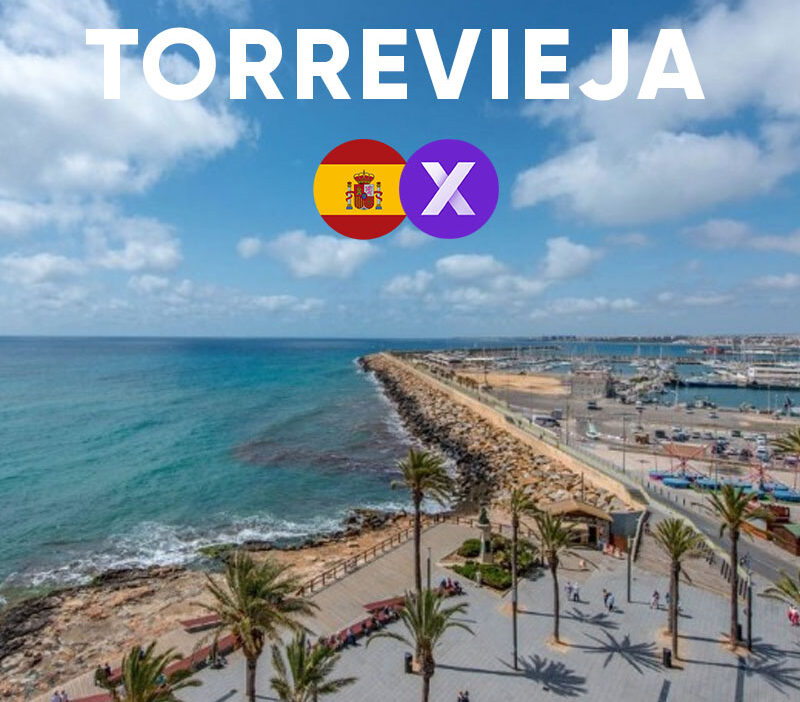
Moving to Torrevieja offers a budget-friendly Mediterranean lifestyle with year-round sun and a large international community. This guide walks you through rentals, neighborhoods, healthcare, and long-term stay options in this coastal Spanish town.
Torrevieja isn’t a city that makes headlines — but it quietly becomes home to thousands of expats every year. Located on the Costa Blanca, just 45 minutes south of Alicante, this town blends sea views, low cost of living, and international comfort. It’s not fancy, but it’s functional — and surprisingly livable for the long haul.
Key Facts About Torrevieja (Spain)
| Parameter | Value |
|---|---|
| Population | ~90,000 (up to 200,000 in summer) |
| Language | Spanish (widely spoken: English, German, Scandinavian languages) |
| Currency | Euro (€) |
| Average Rent | €400–750/month (1-bedroom near beach or in center) |
| Average Net Income | ~€1,000–1,300 (many live on pension or remote income) |
| Health Insurance | Public (SNS) or private (~€30–60/month) |
| Safety Level | High – calm and secure environment |
| Public Transport | Buses, walking, and taxis. No metro, everything nearby |
| Climate | Mediterranean – over 320 sunny days/year, mild winters |
| Residence Permit / Long Stay | Available via Digital Nomad Visa, retirement, study, investment, etc. |
| Education | Local and international schools available |
| Grocery Prices | Low – fresh produce and supermarkets are affordable |
| Access to Nature | Beaches, salt lakes (including the pink lake), natural parks |
| City Atmosphere | Relaxed, slow-paced, international, focused on healthy outdoor lifestyle |
Renting in Torrevieja: Low Prices, High Availability
One of Torrevieja’s biggest advantages? Rent is cheap, and options are plenty. Most rentals are furnished, often with terraces or balconies. The market is geared toward both retirees and remote workers — meaning long-term leases are common.
Average monthly rent (2025):
- 1-bedroom apartment near the beach: €450–600
- 2-bedroom apartment with balcony: €600–750
- Townhouse or villa on the edge of town: €800–1,200
- Utilities: €100–150/month
- Internet: ~€25/month
Want to browse current listings? See long-term rentals in Torrevieja here — updated with filters for area, budget, and size.
Residency and Visas: Same Rules, Less Stress
As part of Spain, Torrevieja follows the same rules as any other Spanish city — but with less chaos and shorter queues.
- EU/EEA citizens can live and work freely, but must register and get a NIE
- Non-EU residents can apply for:
- Non-lucrative visa (ideal for retirees or remote workers)
- Digital nomad visa
- Work or student visa
- Family reunification
Town hall bureaucracy is calmer than in big cities — and many officials speak English, thanks to the town’s international population.
Language and Community: International by Default
Torrevieja is often called Spain’s most international town. Brits, Germans, Scandinavians, Russians, Ukrainians — the list goes on. Over 40% of residents are foreigners, and many services are offered in multiple languages.
Still, basic Spanish goes a long way. Supermarkets, doctors, and local bars appreciate the effort — and it helps you integrate beyond the expat bubble.
Where to Live in Torrevieja
- Playa del Cura / Playa Los Locos – beachside living, walkable, cafés everywhere
- Centro / Town Hall Area – more urban, close to markets and shops
- Aguas Nuevas / La Mata – quiet, residential, near nature parks
- Los Balcones / Orihuela Costa – suburban, newer developments, more villas
Torrevieja is flat and easy to walk, with a decent local bus system. Many residents drive — especially if living outside the core.
Top 5 Best Districts in Torrevieja for Long-Term Living
| District | Why It’s Great |
|---|---|
| 1. Aguas Nuevas | Modern, residential, close to beaches and amenities. Great for families and expats. |
| 2. La Mata | Natural, peaceful, with stunning beach and pine dunes. Ideal for retirees and slow living. |
| 3. Centro | Central and walkable. Close to markets, bars, marina, and beach. Lively all year round. |
| 4. Los Balcones | Spacious, green, near salt lakes. Quiet, popular among international residents. |
| 5. Punta Prima | Coastal and more upscale. Modern buildings, beach walks, and restaurants nearby. |
Cost of Living in Torrevieja
This is where the city really shines. Torrevieja is one of the most affordable beach towns in Spain.
- Rent: €500–800/month
- Utilities: €120/month
- Groceries: €180–250/month
- Dining out:
- Menu del día: €10
- Dinner for two: €30–45
- Gym: €20–40/month
- Transport: rarely needed, but monthly pass ~€30
A solo person can live comfortably on €1,000–1,300/month, all in.
Work and Income
Torrevieja isn’t a business capital — but it works well for:
- Remote workers and freelancers (especially via digital nomad visa)
- Real estate and rentals
- Tourism and services
- Healthcare and elder care roles
- Online teaching or consulting
If you already earn income remotely, this town gives you space and sunshine to focus. Many freelancers set up as autónomos with Spain’s flat-rate tax system.
| Profession | Avg. Gross Salary per Month (EUR) |
|---|---|
| Software Developer (remote) | €2,300 |
| IT Project Manager (remote) | €2,800 |
| UX/UI Designer (remote) | €2,100 |
| Architect (local) | €2,000 |
| Mechanical Engineer | €2,200 |
| General Practitioner (Doctor) | €3,500 |
| Nurse | €1,900 |
| High School Teacher | €1,800 |
| Marketing Specialist | €2,100 |
| Accountant | €2,000 |
Healthcare: Built for Expats
Torrevieja has excellent medical access, with both public and private clinics. Hospitals often have multilingual staff, and English-speaking GPs are easy to find.
- GP visit (private): €30–50
- Dental cleaning: from €25
- Private health insurance: €35–60/month
- Emergency services: reliable and fast
Once registered, you can access Spain’s public health system, which is ranked among the best in Europe.
Final Thoughts: Is Torrevieja Right for You?
Torrevieja may not be glamorous — but it’s real, affordable, and warm. If you’re after a low-cost, low-stress, sea-view lifestyle, it delivers. You’ll find your café, your corner store, your neighbors from three countries — and a routine that makes sense.
It’s not just a vacation town. For many, it’s home.
Also read our guide on Moving to Alicante