

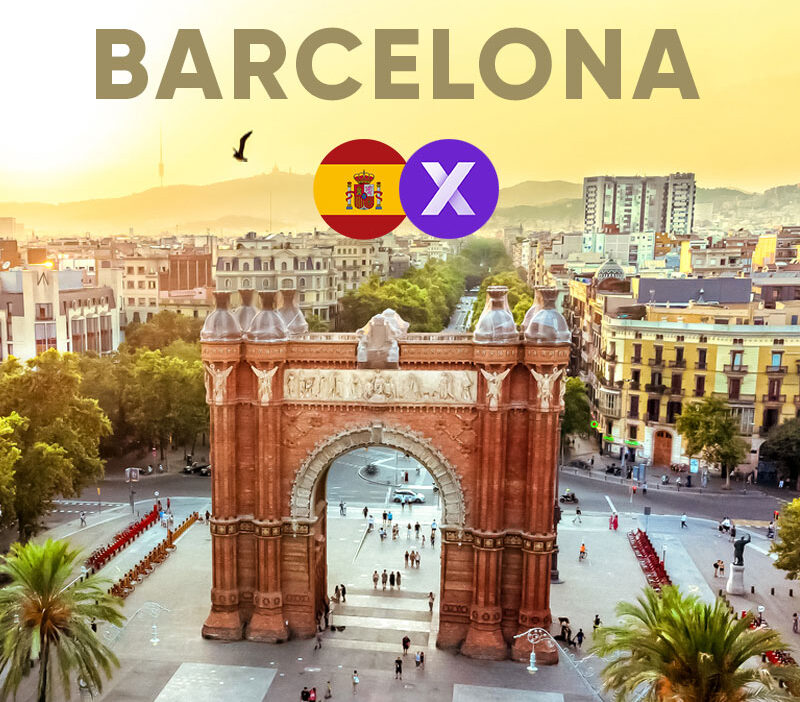
Thinking of moving to Barcelona? Here’s how to make your long-term stay a success.
Barcelona is more than beaches and Gaudí. For those planning a long-term stay, the city offers a mix of urban rhythm, Mediterranean lifestyle, and strong infrastructure. But behind the sunshine and sangria, there are practical details to know — especially when it comes to renting, documents, and real integration.
Key Facts About Barcelona (Spain)
| Parameter | Value |
|---|---|
| Population | ~1.6 million (city), ~5.5 million metro area |
| Language | Catalan and Spanish (both official), limited English in daily life |
| Currency | Euro (€) |
| Average Rent | €900–1,500/month (1-bedroom in good areas) |
| Average Net Salary | ~€1,600–2,200 |
| Health Insurance | Public (SNS) mandatory; optional private plans from ~€50/month |
| Safety Level | Moderate – pickpocketing common in central areas |
| Public Transport | Metro, buses, trams. Monthly T-usual pass ~€40 |
| Climate | Mediterranean – hot dry summers, mild winters |
| Residence Permit / Long Stay | Via work, study, entrepreneurship, investment, or digital nomad visa |
| Education | Wide choice of universities and English-speaking schools |
| Grocery Prices | Mid-range by European standards |
| Access to Nature | Beaches, mountains, and parks all within or near city |
| City Atmosphere | Creative, cosmopolitan, architecturally rich, full of life |
Renting in Barcelona: Gorgeous, but Competitive
Barcelona’s housing market is one of the toughest in Spain. Demand is high, and landlords often prefer short-term rentals or tourists. That said, long-term apartments do exist — you just need patience, paperwork, and realistic expectations.
Average prices (2025):
- Studio or 1-bedroom: €950–1,300/month
- 2-bedroom in central areas: €1,400–1,800/month
- Utilities: €150–200/month
- Internet: ~€30/month
- Deposit: usually 2 months
- Agency fee: 10% of annual rent or 1 month
To avoid scams and endless searching, check long-term rentals in Barcelona — already filtered by location, price, and format.
Residency and Visas: Spain’s System in a Nutshell
If you’re from the EU/EEA or Switzerland, you can live and work freely — but must register with local authorities and obtain a NIE (Número de Identidad de Extranjero) within 90 days.
Non-EU citizens can apply for:
- Work or self-employment visa
- Student visa
- Non-lucrative visa (popular among retirees and remote workers)
- Digital Nomad Visa (launched recently)
- Family reunification
All residence permits require proof of income, health insurance, and a fixed address. Bureaucracy in Spain is real — but manageable with persistence (and maybe a gestor to help).
Language: Catalan, Spanish, or Both?
Barcelona is the capital of Catalonia, where both Spanish and Catalan are official. Most locals speak both fluently, but don’t be surprised if street signs or paperwork appear only in Catalan.
As a foreigner, speaking basic Spanish is a must. Catalan is a bonus — and a sign of cultural respect. English is spoken in expat zones, startups, and tourist areas, but less so at hospitals or government offices.
Where to Live in Barcelona
- Eixample – wide boulevards, beautiful buildings, walkable, central
- Gràcia – bohemian, village feel, lots of plazas
- El Born / Gothic Quarter – historic charm, lively but noisy
- Poblenou – by the beach, modern apartments, startups and families
- Sants / Les Corts – more local, quieter, better rent deals
- Sant Antoni / Poble Sec – trendy but still affordable (for now)
Getting around is easy: metro, buses, and bikes make car-free life realistic.
Top 5 Best Districts in Barcelona for Long-Term Living
| District | Why It’s Great |
|---|---|
| 1. Eixample | Central, safe, and stylish. Beautiful grid layout, modernist architecture, and amenities. |
| 2. Gràcia | Artistic and local. Full of small squares, bars, and markets. Loved by creatives and young professionals. |
| 3. Poblenou | Digital nomad hub near the beach. Converted factories, coworking spaces, and lofts. |
| 4. Sarrià–Sant Gervasi | Quiet, elegant, and family-friendly. Lots of parks and international schools. |
| 5. El Born / Sant Pere | Historic and lively. Walkable to the beach and major cultural sites. Vibrant day and night. |
Cost of Living in Barcelona
Barcelona isn’t cheap — but it’s not Paris or London either. With some budgeting, you can enjoy a good quality of life.
- Rent: €1,000–1,500/month (1-bedroom)
- Groceries: €200–300/month
- Dining out:
- Menu del día: €12–15
- Dinner for two: €40–60
- Transport pass: €40/month
- Gym: €35–60/month
- Coworking: €150–250/month
Expect to spend €1,500–2,200/month per person for a comfortable solo life.
Work and Income
Barcelona is a hub for:
- Startups and tech (especially in Poblenou)
- Design, architecture, and media
- Tourism and hospitality
- English teaching and international schools
- Freelance and remote work (via new digital nomad visa)
Job contracts often include social security and healthcare. Freelancers can register as autónomos, but beware of the steep fixed tax (~€300/month if not subsidized).
| Profession | Avg. Gross Salary per Month (EUR) |
|---|---|
| Software Developer | €3,200 |
| IT Project Manager | €3,800 |
| UX/UI Designer | €2,900 |
| Architect | €2,700 |
| Mechanical Engineer | €3,000 |
| General Practitioner (Doctor) | €4,500 |
| Nurse | €2,300 |
| High School Teacher | €2,200 |
| Marketing Specialist | €2,800 |
| Accountant | €2,700 |
While salaries in Barcelona are lower than in cities like Berlin or Amsterdam, the lifestyle—mild climate, beach access, rich culture—makes it one of Europe’s most livable cities. Cost of living has risen, especially in rent.
Healthcare: World-Class and Accessible
Spain’s public healthcare system is one of the best in Europe. Once you’re legally registered and paying into the system, you’ll have access.
- Emergency care: free
- GP visits: free under public insurance
- Private insurance: ~€40–70/month
- English-speaking doctors: available in both public and private sectors
- Pharmacies: everywhere, with helpful staff
If you’re not yet eligible for the public system, private plans are affordable and widely accepted.
Final Thoughts: Is Barcelona Right for You?
Barcelona is not just beautiful — it’s highly livable. It has soul, structure, and sea breeze. Yes, rent is high and bureaucracy is slow, but life here flows once you’re in rhythm. Whether you’re remote-working by the beach or raising a bilingual kid in Gràcia, this city finds a way to win you over.
Just give it time — and a little patience with the paperwork.
Also read our guide on Moving to Vienna